Oculomotor and visual-motor integration are key components of how a child’s brain and body work together to process what they see and how they respond to it through movement. These skills form the foundation for reading, writing, coordination, and attention.
When a child struggles with these skills, they may have difficulty tracking words on a page, copying from the board, catching a ball, or even maintaining focus during classroom tasks. Through early identification and occupational therapy, children can strengthen these abilities, improving confidence and academic success.
Understanding Oculomotor Skills in Children
Oculomotor skills involve the coordinated movement and control of the eyes. These include:
- Saccades: Quick eye movements between two points (used when reading).
- Pursuits: Smooth tracking of moving objects (used when following a ball).
- Convergence: The ability to move both eyes toward the nose for near tasks like reading.
When oculomotor control is weak, children may lose their place while reading, skip words, or complain of tired eyes. They may also appear inattentive when, in fact, their eyes are simply working too hard to keep up.
What Is Visual-Motor Integration?
Visual-motor integration (VMI) is the ability to coordinate visual information with body movements. It allows a child to translate what they see into precise motor actions—such as writing, drawing, or catching.
Visual-motor integration connects the brain’s visual perception with the fine and gross motor systems. When this skill is underdeveloped, children might struggle with handwriting, spacing letters correctly, or accurately replicating shapes and patterns. These challenges can lead to frustration in school, particularly with reading, writing, and sports.
Common Signs of Oculomotor and Visual-Motor Difficulties
Parents and teachers are often the first to notice when a child struggles with eye or coordination skills. Signs may include:
- Skipping or re-reading lines when reading
- Difficulty copying from the board or completing puzzles
- Poor handwriting or uneven spacing between letters
- Trouble catching or hitting a ball
- Closing or covering one eye during tasks
- Complaints of blurry or double vision
- Fatigue, headaches, or avoidance of near work
These behaviors can easily be mistaken for attention or motivation problems. However, underlying visual-motor difficulties often impact how a child performs in daily and academic activities.
How Occupational Therapy Supports Oculomotor and Visual-Motor Development
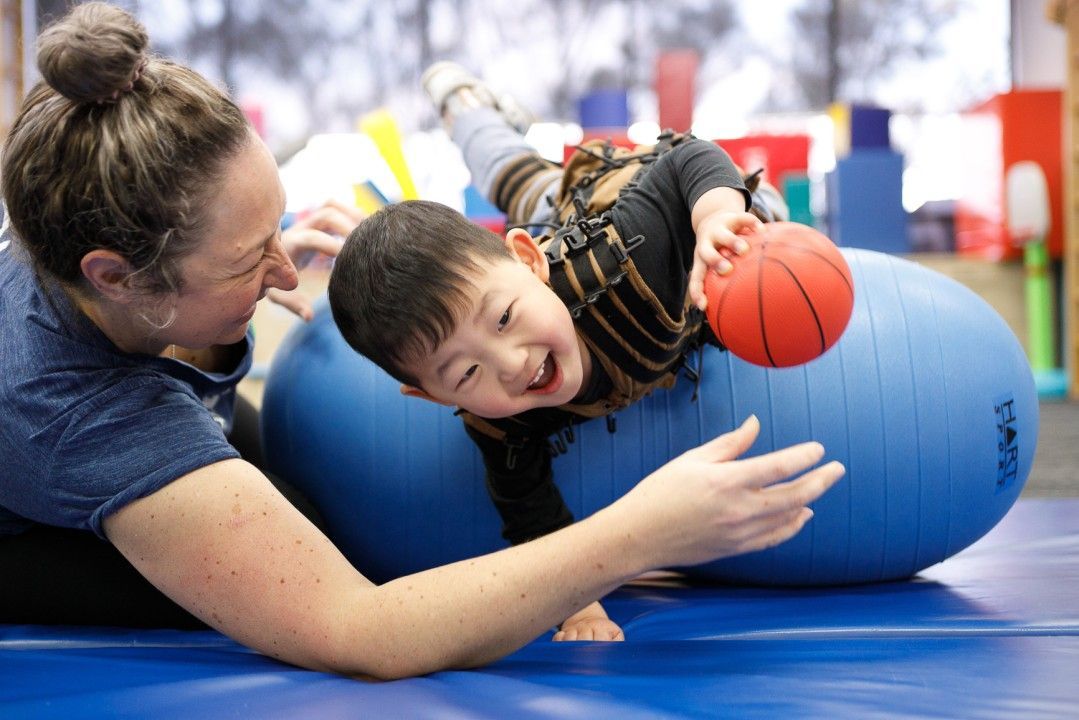
Child-centered visual-motor therapy focuses on improving the connection between the eyes, hands, and brain through structured play and exercises. Occupational therapists use evidence-based approaches to strengthen eye movement control, hand-eye coordination, and visual attention.
Therapy sessions may include:
- Eye-tracking games that involve following objects or shifting focus between targets.
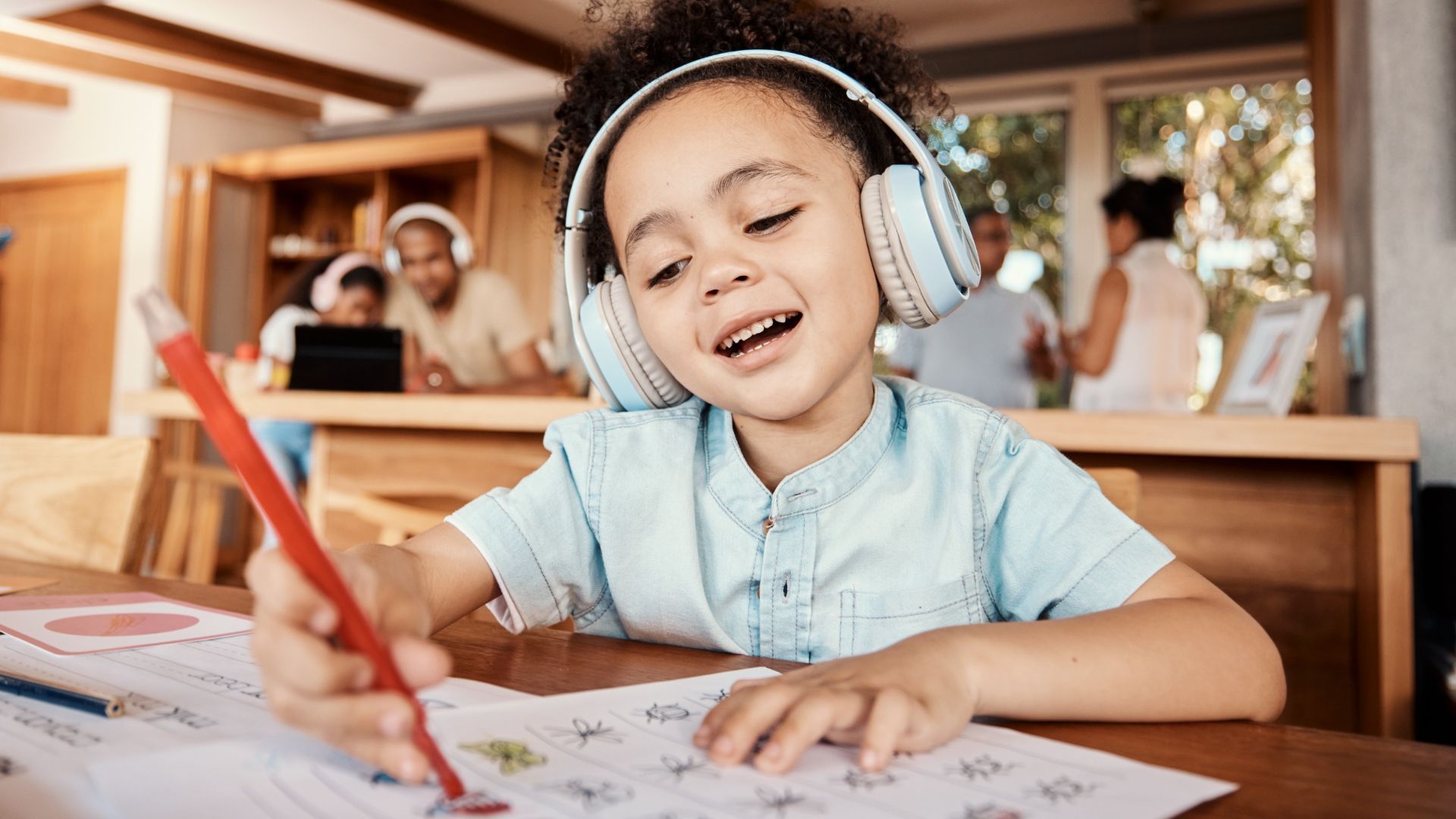
- Drawing and tracing activities to enhance precision and visual-spatial organization.
- Balance and coordination exercises to link visual and motor control.
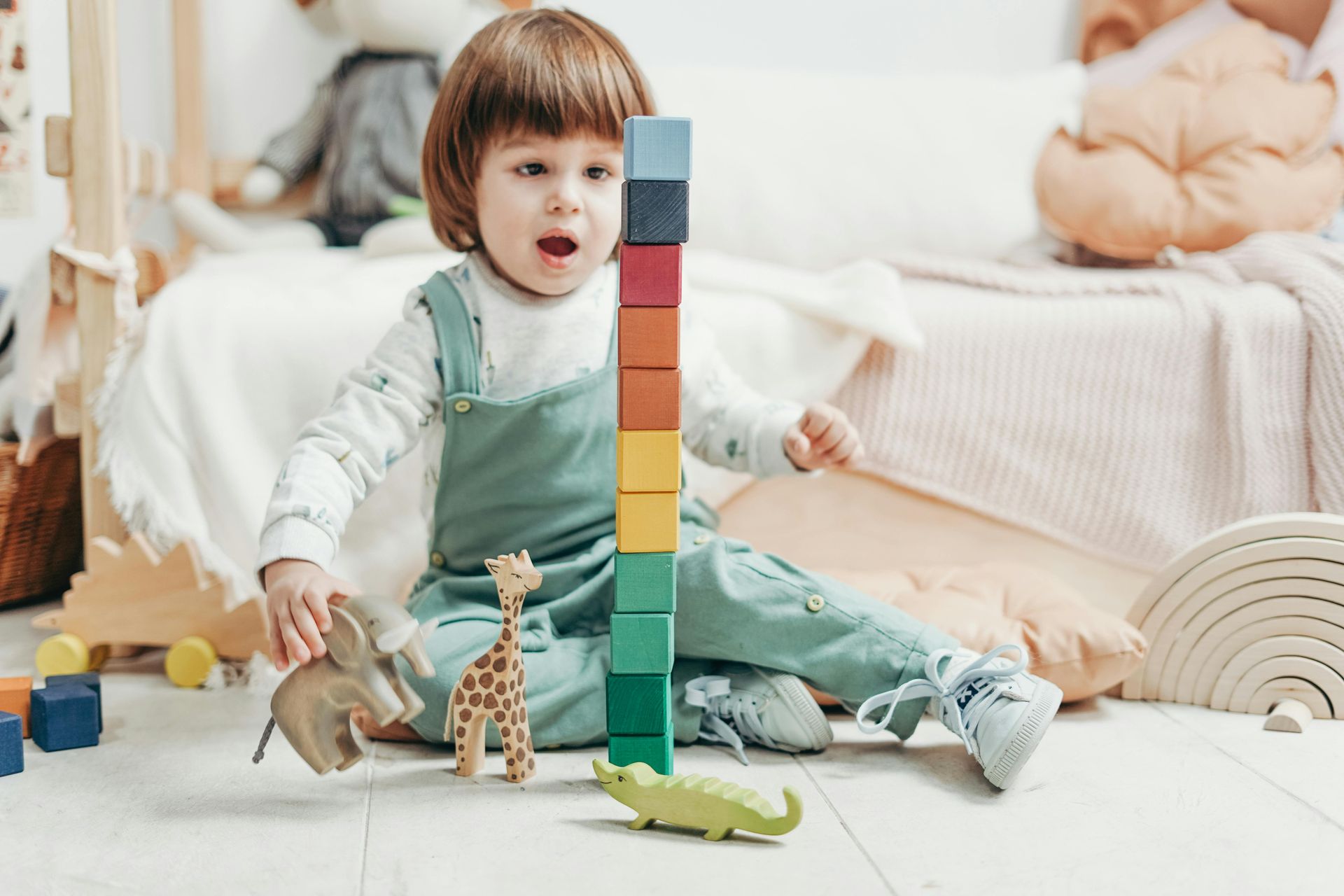
- Play-based challenges like catching bubbles, building with blocks, or completing mazes.
Therapists also collaborate with parents to integrate visual-motor activities at home. Consistency between therapy and daily routines helps reinforce progress and ensures lasting improvements.
The Connection Between Vision and Learning
Oculomotor and visual-motor integration skills are directly tied to academic performance. Reading fluency, handwriting, spelling, and math alignment all depend on efficient visual processing.
When the eyes and hands work together effectively, children can:
- Maintain focus longer during reading and writing tasks.
- Copy information accurately from the board.
- Organize written work neatly.
- Improve hand-eye coordination in sports and play.
- Gain confidence in school performance.
Addressing visual-motor challenges through therapy not only improves classroom success but also reduces frustration, boosts self-esteem, and promotes independence.
Parent Education: Supporting Visual and Oculomotor Development at Home
Parents play a powerful role in helping children build and maintain strong visual-motor skills. With awareness and simple daily activities, families can encourage better coordination, focus, and visual awareness.
Here are some practical home strategies:
- Encourage visual play: Games like “I Spy,” mazes, or puzzles strengthen visual discrimination and scanning skills.
- Build eye-hand coordination: Try balloon volleyball, bean bag toss, or building with blocks.
- Practice drawing and tracing: Encourage your child to trace shapes, letters, or connect-the-dots to improve control.
- Use movement breaks: Physical play like jumping, balancing, or swinging can boost body and spatial awareness.
- Reduce visual overload: Keep workspaces clutter-free and provide proper lighting to support focus.
Through parent education and awareness, families can better understand their child’s needs and reinforce therapy strategies outside the clinic.
Helping Children See, Move, and Learn with Confidence
Understanding oculomotor and visual-motor integration gives parents insight into how vision and movement affect learning, coordination, and behavior. When these systems don’t work smoothly, daily tasks can become overwhelming—but with targeted therapy and family support, children can develop stronger, more efficient visual and motor control.
At 40:31 Rehab & Wellness, our therapists specialize in visual-motor and oculomotor skill development for children. Through play-based occupational therapy and parent education, we help children gain the confidence and coordination they need to thrive at home, in school, and beyond.