Play is more than fun—it’s how children learn, explore, and build essential life skills. From developing fine motor control to strengthening sensory processing and problem-solving, therapeutic play is a cornerstone of childhood growth.
At 40:31 Rehab & Wellness, we carefully select toys that promote development, imagination, and emotional growth. Our
recommended toys are designed to support therapy goals and everyday learning at home, helping parents understand the “why” behind each play activity.
Toys That Build Fine Motor and Hand-Eye Coordination
Developing fine motor control lays the foundation for handwriting, self-care, and independence. Toys that strengthen small hand muscles and coordination are especially beneficial for preschool and early elementary ages.
Recommended types of toys:
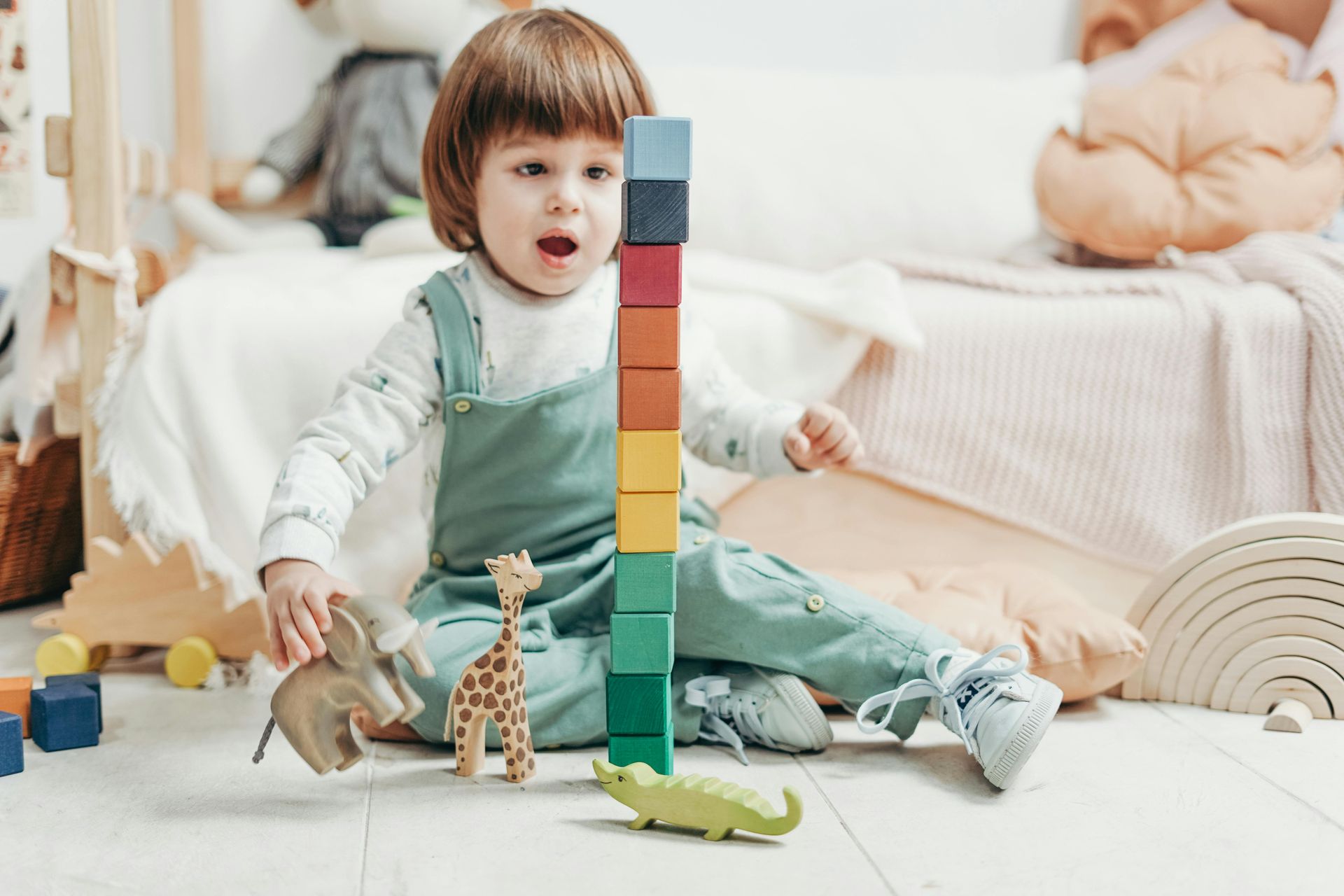
- Building blocks and construction sets – Encourage spatial awareness, problem-solving, and grip strength.
- Pegboards and lacing cards – Support bilateral coordination and precision.
- Playdough and modeling clay – Build strength in the fingers and hands, while allowing creativity.
- Magnetic tiles or linking toys – Encourage planning, structure, and motor control.
Parents can enhance playtime by joining in—ask your child to build patterns, copy designs, or tell a story about their creation. These activities help translate fine motor practice into real-world skills.
Toys That Encourage Sensory Exploration
Sensory play helps children process and organize the information they receive through touch, sight, sound, and movement. For children with sensory processing challenges, certain textures or sounds can be calming, while others may be overstimulating.
Recommended types of toys:
- Sensory bins – Filled with rice, beans, sand, or water beads, these encourage tactile exploration.
- Weighted lap pads or fidget tools – Promote focus and calming input.
- Swings or balance boards – Improve vestibular (movement and balance) processing.
- Textured balls or chewable jewelry – Provide oral and tactile sensory input for regulation.
For parents, understanding your child’s sensory preferences is key. Observe which textures or motions soothe your child and incorporate those toys into daily routines to build comfort and confidence.
Toys That Build Social and Emotional Skills
Play provides natural opportunities for learning empathy, cooperation, and communication. Social-emotional development thrives when children engage in imaginative play and problem-solving with peers or caregivers.
Recommended types of toys:
- Pretend play sets (doctor kits, kitchen sets, dolls) – Encourage empathy and role-playing.
- Board games and cooperative games – Teach patience, turn-taking, and teamwork.
- Emotion identification toys or cards – Help children recognize and discuss feelings.
- Puppets or story cubes – Support expressive language and emotional understanding.
Therapists often use these types of play to help children work through social challenges or practice emotional regulation. Parents can use similar play at home to strengthen communication and trust.
Toys That Support Gross Motor Development
Gross motor play builds strength, balance, and coordination—all essential for school readiness and daily functioning. Active movement also supports self-regulation and body awareness.
Recommended types of toys:
- Ride-on toys or balance bikes – Encourage coordination and confidence.
- Trampolines (mini rebounders) – Provide proprioceptive input and energy release.
- Obstacle course sets or tunnels – Develop planning, sequencing, and strength.
- Balls of various sizes – Promote catching, kicking, and cooperative play.
Encouraging active play outdoors whenever possible helps children release energy, build endurance, and develop resilience.
Toys That Foster Cognitive and Problem-Solving Skills
Cognitive development flourishes through exploration and curiosity. Toys that challenge children to think critically, plan, and make decisions help strengthen executive functioning—skills related to organization, focus, and self-control.
Recommended types of toys:
- Puzzles – Support visual-motor coordination and problem-solving.
- STEM sets – Encourage creativity and logical thinking.
- Sorting and matching games – Build early math and reasoning skills.
- Memory and sequencing cards – Strengthen attention and recall.
Playing with these toys helps children develop persistence and patience—skills that carry into classroom learning and everyday life.
Parent Education: How to Make Play More Meaningful
Toys are only as effective as the experiences built around them. Parents play a powerful role in turning playtime into a developmental opportunity.
Here are some parent education tips to enhance play at home:
- Follow your child’s lead. Let them explore at their own pace—this builds independence and curiosity.
- Add language. Describe what your child is doing to boost vocabulary and comprehension.
- Encourage problem-solving. Ask questions like, “What happens if you try it this way?” to foster creativity.
- Rotate toys. Keeping fewer toys visible encourages deeper engagement and imaginative play.
- Play together. Shared play strengthens emotional connection and trust.
Even 15–20 minutes of focused play each day can significantly impact a child’s emotional and cognitive growth.
Encouraging Growth Through Purposeful Play
Understanding the role of toys in child development helps parents make confident, informed choices. The best toys are not the most expensive—they’re the ones that spark curiosity, build confidence, and encourage movement, connection, and creativity.
At 40:31 Rehab & Wellness, we believe play is the foundation of growth. Our toy recommendations are chosen to align with therapy goals and family values, helping children learn, explore, and thrive through meaningful play.