Fine motor and motor coordination refer to the ability to use muscles in a smooth, controlled, and purposeful way. Fine motor skills involve the small muscles in the hands and fingers used for tasks like writing, buttoning, or using utensils. Motor coordination, on the other hand, involves larger muscle groups and the ability to plan and execute movements, such as running, jumping, or catching a ball.
When children experience difficulty with these areas, it can affect everything from handwriting to self-care and play. Understanding how these skills develop—and how occupational therapy supports them—can empower parents to identify challenges early and promote better coordination, confidence, and independence.
Understanding Fine Motor Skills in Children
Fine motor skills require precision and strength in the hands and fingers. They rely on a child’s ability to coordinate the eyes, hands, and brain to complete specific tasks. These skills are essential for independence and academic success.
Examples of fine motor activities include:
- Holding a pencil or crayon correctly
- Cutting with scissors
- Tying shoes or buttoning clothing
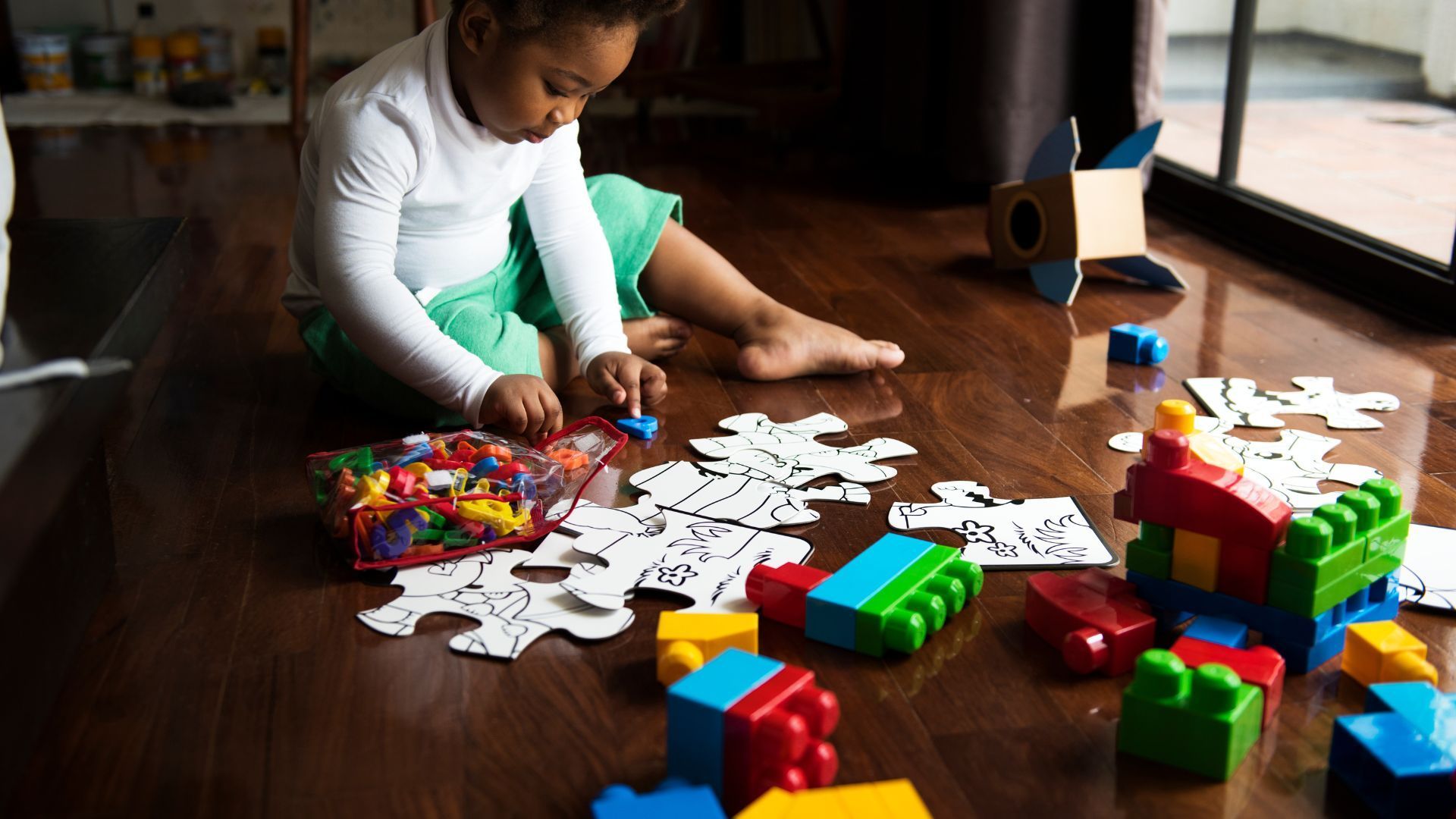
- Manipulating small toys or puzzle pieces
- Opening food containers or zippers
Children who struggle with fine motor control may tire quickly, avoid certain activities, or show frustration when asked to write, draw, or complete detailed tasks. Early therapy and targeted exercises can help strengthen these muscles and improve coordination.
What Is Gross Motor Coordination?
Motor coordination (often called gross motor coordination) involves larger muscle groups and overall body movement. It helps children maintain balance, posture, and rhythm while performing physical activities.
Key gross motor skills include:
- Running, jumping, and hopping
- Catching, throwing, and kicking a ball
- Climbing stairs or playground equipment
- Maintaining balance while walking on uneven surfaces
Strong gross motor coordination supports not only physical play but also fine motor development. For example, stable shoulders and core muscles are needed before a child can write neatly or use tools effectively.
Common Signs of Fine Motor and Coordination Challenges
Parents may notice early signs that a child struggles with motor control or coordination. Common indicators include:
- Avoiding crafts, coloring, or writing tasks
- Difficulty using utensils or tying shoes
- Clumsiness, frequent tripping, or falling
- Trouble catching or throwing a ball
- Poor handwriting or weak pencil grasp
- Taking longer than peers to complete self-care routines
These challenges can affect a child’s confidence, participation in school, and willingness to try new tasks. Fortunately, with proper occupational therapy and family support, children can make meaningful progress.
How Occupational Therapy Helps Improve Motor Coordination
Therapy for fine motor and coordination skills is designed to strengthen muscle control, improve body awareness, and build confidence through fun, play-based activities. Occupational therapists assess each child’s specific needs and create individualized treatment plans that target both fine and gross motor development.
Therapy may include:
- Strength and dexterity exercises such as squeezing therapy putty, using tweezers, or manipulating clay.
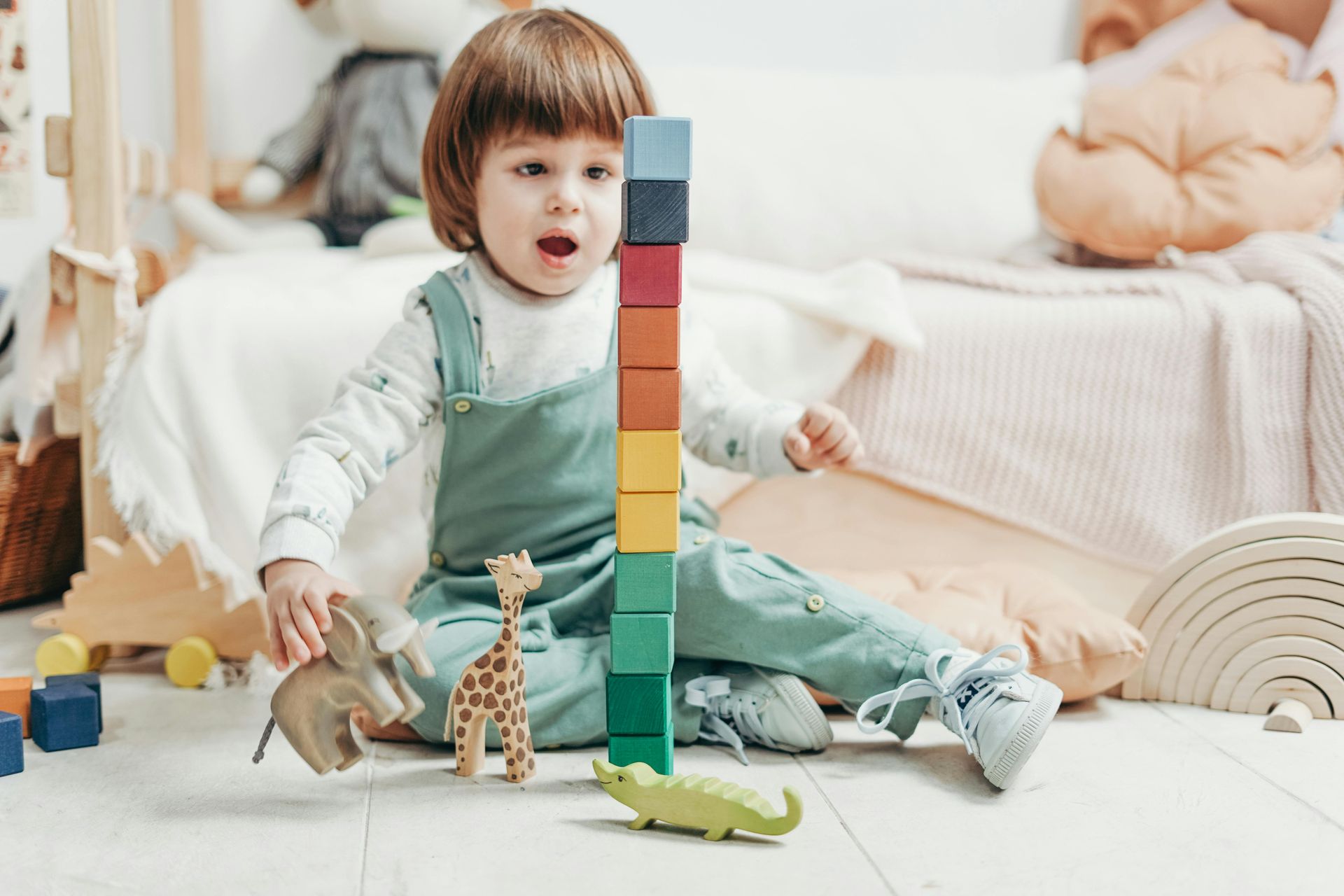
- Eye-hand coordination activities like threading beads, stacking blocks, or catching soft balls.
- Bilateral coordination games that require using both sides of the body together, such as clapping patterns or throwing with two hands.
- Core and balance training to improve posture and stability during movement and seated tasks.
Parents are often involved in the process through home exercise programs and education on movement-based play, ensuring that therapy strategies continue beyond the clinic.
The Importance of Early Intervention
Motor challenges can impact academic performance, emotional well-being, and social participation. Early intervention through occupational therapy can prevent these difficulties from escalating and help children reach developmental milestones sooner.
When fine and gross motor skills improve, children experience benefits such as:
- Better handwriting and classroom performance
- Increased independence in daily routines
- Improved confidence and social participation
- Greater body awareness and coordination
- More enjoyment during physical and creative play
The earlier parents seek support, the more effective therapy can be in shaping healthy motor development.
Parent Education: How to Support Motor Development at Home
Parents play a key role in reinforcing therapy and promoting development through daily play and routines. Here are a few simple home strategies:
- Encourage play with purpose – Activities like Legos, puzzles, or playdough build finger strength and coordination.
- Include outdoor movement – Climbing, swinging, and running support balance, endurance, and body awareness.
- Practice self-care tasks – Allow your child to button, zip, or tie independently, even if it takes longer.
- Add sensory play – Sand, water, and tactile activities engage multiple senses and enhance fine motor control.
- Limit passive screen time – Encourage real-world play and movement that strengthens the body and brain connection.
By promoting consistent, fun, and movement-rich experiences, parents help their child’s nervous system develop the foundation for lifelong skills.
Helping Children Build Confidence Through Movement
Understanding fine motor and motor coordination helps parents recognize how movement impacts learning, independence, and confidence. With early support and engaging therapy, children can overcome challenges, strengthen their bodies, and enjoy success in daily life.
At 40:31 Rehab & Wellness, we specialize in occupational therapy for fine and gross motor development. Through compassionate care, family education, and evidence-based interventions, we help children reach their full potential—one movement at a time.